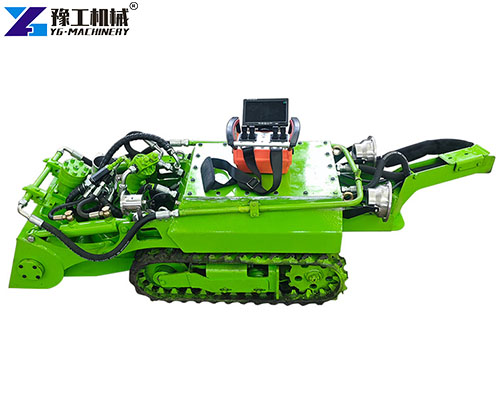
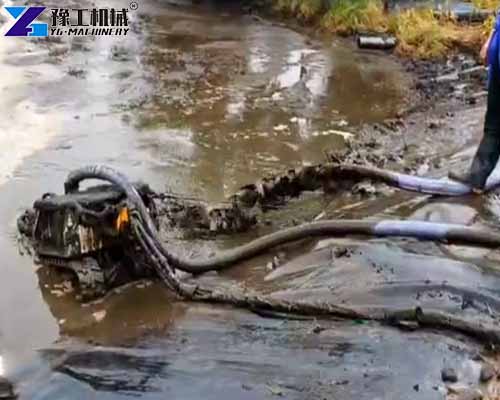
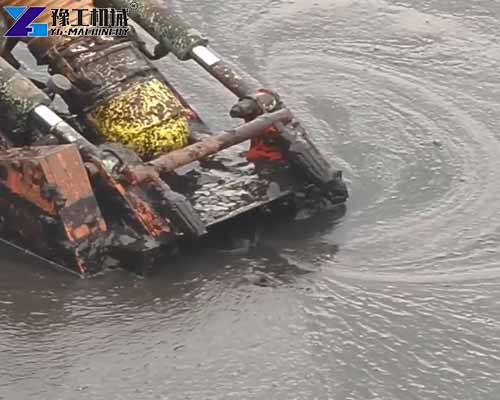
Sludge Dredging Robot explosion-proof configuration is not a comfort option. It is an entry qualification. In chemical plants, oil tank farms, coal processing sites, and other areas where flammable gas or dust may be present, regulations do not permit standard electric equipment to enter. The reason is straightforward: standard motors and control systems can produce sparks or hot surfaces during normal operation. Therefore, in a classified hazardous zone, that becomes an ignition source.
This article explains what an explosion-proof configuration must cover, why it requires a system-level solution rather than a motor-only upgrade, and what you need to confirm with our technical team before we can quote a hazardous-area machine. Meanwhile, for hazardous-area configuration details and technical support, our engineering team is ready to help.
TL;DR: Regulations prohibit standard motors in classified hazardous zones because normal operation can produce sparks or hot surfaces. Explosion-proof configuration covers the motor, control cabinet, wiring, and sealing system as one scope. Thus, you cannot quote the protection level from a catalog — it must match your zone classification and gas group.
Why Standard Sludge Dredging Robot Motors Are Prohibited in Hazardous Zones
| Model | YG-500 | YG-600 | YG-700 | YG-800 | YG-900 | YG-1200 |
| Robot dimensions | 1500*500*650mm | 1500*600*650mm | 1600*700*650mm | 1600*850*700mm | 1650*960*750mm | 1900*1200*750mm |
| Dredging width | 500mm | 600mm | 700mm | 800mm | 900mm | 1200mm |
| Track travel speed | 3-15m/s | 3-15m/s | 3-15m/s | 3-15m/s | 3-15m/s | 3-15m/s |
| Robot weight | 320kg | 350kg | 380kg | 400kg | 420kg | 500kg |
| Pump output diameter | 3inch | 3inch | 4inch | 4inch | 4inch | 4inch |
| Pump flow rate(cubic meters/ hour) | 100 m³ | 100m³ | 200m³ | 200m³ | 200m³ | 200m³ |
| Hydraulic station dimensions(mm) | 2200*1200*1700 | 2200*1200*1700 | 2200*1200*1700 | 2200*1200*1700 | 2200*1200*1700 | 2120*1240*1200 |
| Main motor power | 22kw | 22kw | 30kw | 30kw | 30kw | 45kw |
| Hydraulic system pressure | 0-16Mpa | |||||
| Particle size | 15mm | 15mm | 38mm | 38mm | 38mm | 60mm |
| Reeling system speed | 0-10r/min | |||||
| Hydraulic hoses | 50m (Standard configuration) | |||||
| Control system | Wireless remote control | |||||
| Lighting system | Underwater LED lights *2 | |||||
A standard industrial motor is designed for efficiency, not for explosive atmospheres. During normal operation, it can generate:
- Electrical arcs at brushes, contactors, or loose terminals.
- Hot surfaces on the motor housing or bearings.
- Static discharge from non-conductive components.
In a general outdoor environment, these are maintenance concerns. However, in a classified hazardous zone, they are potential ignition sources. Industry guidance is consistent: equipment that may produce sparks or flashes during normal operation requires explosion-proof enclosures. Our product documentation states it precisely: standard electric equipment cannot enter safely.
Consequently, this is the first point that requires our confirmation. Whether regulations classify your site as a hazardous zone, and to what level, determines whether you can consider a standard machine at all. Send us your site classification, and our team will tell you whether a standard configuration is permissible or an explosion-proof scope is mandatory.
For hazardous sewer cleaning jobs, you also need to consider operational constraints such as sewer cleaning robot hose limits.
How Water Tank Cleaning Robot Explosion-Proof Configuration Addresses the Whole System
The most common and most costly misunderstanding is that “explosion-proof” means “explosion-proof motor.” A motor alone does not make a machine safe for a hazardous zone. The ignition risk moves with the entire power and control system:
- Motor: must be enclosed in a flameproof or increased-safety housing.
- Control cabinet: contactors and relays inside the cabinet can arc during switching.
- Wiring and cable entries: a standard cable gland does not seal against flame propagation.
- Sensors and cameras: even low-voltage devices can produce sparks if not rated for the zone.
Although explosion-proof configurations increase the initial cost, they deliver a significant boost in ROI compared to traditional manual cleaning.
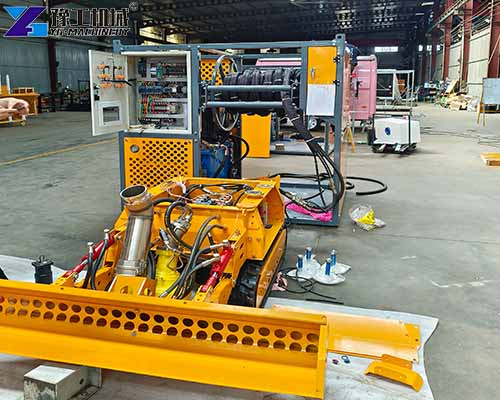
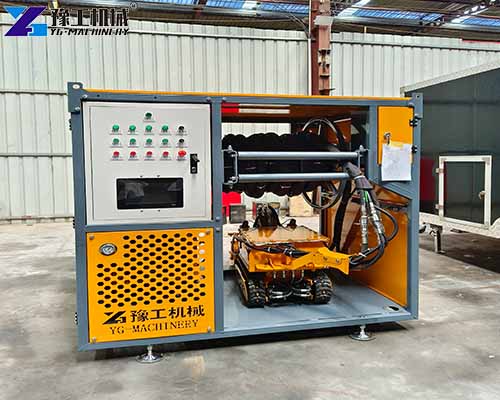
How We Specify the Explosion-Proof Scope
For hazardous-area projects, our technical team specifies the explosion-proof scope on a project-by-project basis. The configuration covers the motor, control cabinet, wiring, and sealing system as a set, and the protection level is matched to the zone classification and gas group of the specific site. This is not a fixed catalog option.
A quotation that lists “explosion-proof” without stating the zone and gas group is incomplete for procurement review — and it is the most common reason hazardous-area projects fail inspection after delivery.
When evaluating a sand dredging machine price quotation for hazardous-area work, ask one question: does the explosion-proof scope include the control cabinet and cable entries, or only the motor? If the supplier cannot answer that in writing, the equipment is not ready for procurement.
What Zone Classification Means for Sand Dredging Machine Price Comparisons
Regulations classify hazardous areas by how often an explosive atmosphere is present. The commonly referenced framework distinguishes:
- Zone 0: explosive atmosphere present continuously or for long periods.
- Zone 1: explosive atmosphere likely during normal operation.
- Zone 2: explosive atmosphere unlikely, and only for short periods.
A machine rated for Zone 1 is not automatically suitable for Zone 0. The zone classification of your tank or sump determines the minimum equipment protection level. As a result, a sludge dredging robot quotation that lists “explosion-proof” without stating the zone and gas group cannot be used for procurement review. Industry references for this equipment class commonly cite Ex d II BT4 as a reference point for petrochemical tank cleaning — but that is a reference, not a specification for your site.
The zone and gas group are site-specific inputs. Therefore, we cannot confirm the correct protection level without them. Send us your zone classification (Zone 0, 1, or 2) and the gas or dust present, and our engineers will confirm the applicable protection level before quotation.
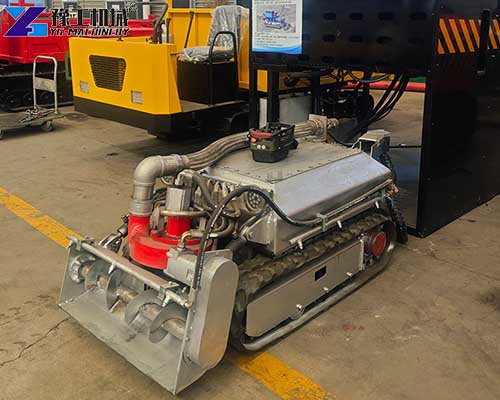
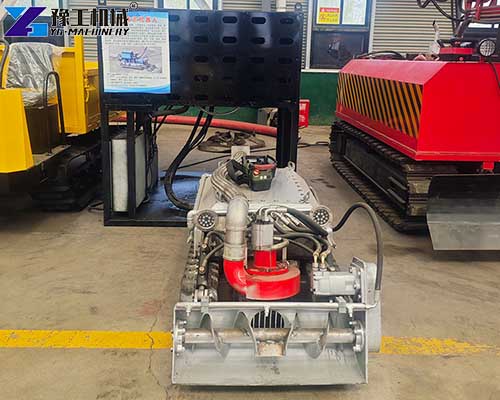
What to Confirm with Our Technical Team Before Ordering
Before specifying explosion-proof configuration for a hazardous-area project, confirm the following with our team.
- Zone classification of the working area. Zone 0, Zone 1, or Zone 2. The zone determines the minimum protection level.
- Gas group and temperature class. For example, IIB or IIC gas group, and T1–T6 temperature class. The rating must cover the specific gas present.
- Scope of explosion-proof coverage. Motor only, or motor + control cabinet + wiring + sensors + camera.
- Certification standard. ATEX, IECEx, or the standard required by your local authority.
- Cable entry and sealing method. Flame-retardant wiring and a sealed control system are part of the rating, not accessories.
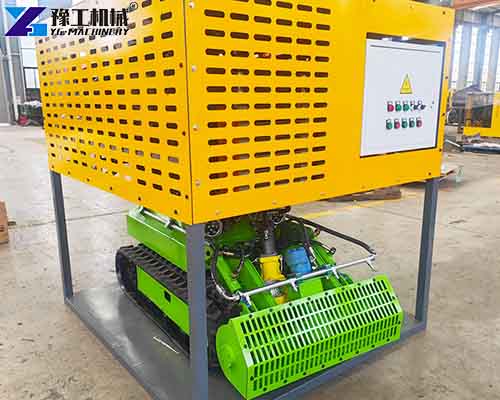
For a water tank cleaning robot configured for oil tank or chemical sump work, we document the explosion-proof scope as a system, not summarized as a single word. Send us these five inputs, and our team will respond with the configuration scope and technical proposal. Also, for sand dredging machine price and hazardous-area configuration details, include these inputs in your inquiry so the quotation reflects the actual protection scope rather than a generic figure.
FAQ About Sludge Dredging Robot Explosion-Proof
A: Standard electric equipment is not permitted to enter classified hazardous zones because normal operation can produce sparks or hot surfaces.
Whether your site requires an explosion-proof configuration depends on its zone classification. Send us the site classification, and our team will confirm whether a standard configuration is permissible or an explosion-proof scope is mandatory.
A: No. The motor is one component. The control cabinet, wiring, cable entries, and sensors also need to be rated for the hazardous zone. A motor-only upgrade does not make the system suitable for a classified area.
A: It is a common reference rating for flameproof equipment used in petrochemical environments. “Ex d” indicates a flameproof enclosure, “IIB” indicates the gas group, and “T4” indicates the temperature class. Your project may require a different rating depending on the zone and the gas present. Ex d II BT4 is a reference point, not a substitute for your site specification.
A: The core dredging parameters are confirmed alongside the explosion-proof scope at inquiry. The protection scope adds electrical protection; the pump and chassis configuration is matched to your dredging requirements at the same time. Send us both your dredging conditions and your hazardous-area classification.
A: Prepare the zone classification (Zone 0, 1, or 2), the gas group and temperature class if known, and whether the requirement covers the motor only or the full electrical system. These are the inputs our engineers use to confirm the configuration.

Factory Support & CTA
Our factory provides explosion-proof configuration assessment for every hazardous-area inquiry. Send us your zone classification, gas group, and required coverage scope. Our engineers will confirm the suitable protection level for your water tank cleaning robot configuration, document the electrical system scope in the quotation, and respond within one business day.
Every unit ships with English operation manuals, remote video technical guidance, and a continuous supply of consumable parts.Explosion-proof crawler dredging robots deliver clear cost benefits; view our field data about crawler dredging robot ROI: 3x faster than manual labor.