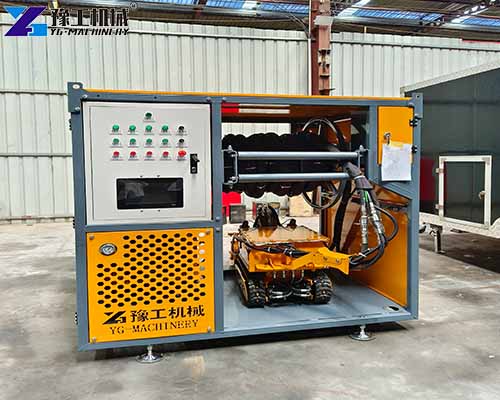
Cutter River Sand Dredging Machine depth rating is one of the most misunderstood specifications in dredging equipment selection. Our FAQ for the underwater dredging robot product line confirms that standard working depth ranges from 30 to 90 meters, depending on the model and hose configuration. That range is not a single maximum number. It is a window that narrows or widens based on three variables: the selected model’s hydraulic capacity, the hose configuration, and water conditions at the site. This article explains what 30m, 60m, and 90m actually mean in practice, and what information our technical team needs to lock the exact depth rating for your project.
TL;DR: 30–90m is a range, not a fixed number. The exact depth rating depends on model, hose configuration, and water conditions. Tell us your deepest working point, water turbidity, and whether you need extended hose, and our engineers will confirm the rating for your selected model.
Why Cutter River Sand Dredging Machine Depth Rating Is a Range, Not a Number
A single “maximum depth” figure is misleading because depth affects two separate systems: the hydraulic circuit and the control signal.
- Hydraulic circuit: deeper water increases back pressure on the return line and changes the load on the pump station.
- Control signal: wireless remote control range is affected by water depth, turbidity, and metal structures in the water.
A model configured for 30m and the same model configured for 90m are not the same machine. The difference is in the hose bundle, the reeling system load, and the hydraulic pressure the station must sustain. When comparing a sand dredging machine price quote across suppliers, ask whether the quoted depth is a rated figure for your specific configuration or a generic maximum.
| Model | YG-500 | YG-600 | YG-700 | YG-800 | YG-900 | YG-1200 |
| Robot dimensions | 1500*500*650mm | 1500*600*650mm | 1600*700*650mm | 1600*850*700mm | 1650*960*750mm | 1900*1200*750mm |
| Dredging width | 500mm | 600mm | 700mm | 800mm | 900mm | 1200mm |
| Track travel speed | 3-15m/s | 3-15m/s | 3-15m/s | 3-15m/s | 3-15m/s | 3-15m/s |
| Robot weight | 320kg | 350kg | 380kg | 400kg | 420kg | 500kg |
| Pump output diameter | 3inch | 3inch | 4inch | 4inch | 4inch | 4inch |
| Pump flow rate(cubic meters/ hour) | 100 m³ | 100m³ | 200m³ | 200m³ | 200m³ | 200m³ |
| Hydraulic station dimensions(mm) | 2200*1200*1700 | 2200*1200*1700 | 2200*1200*1700 | 2200*1200*1700 | 2200*1200*1700 | 2120*1240*1200 |
| Main motor power | 22kw | 22kw | 30kw | 30kw | 30kw | 45kw |
| Hydraulic system pressure | 0-16Mpa | |||||
| Particle size | 15mm | 15mm | 38mm | 38mm | 38mm | 60mm |
| Reeling system speed | 0-10r/min | |||||
| Hydraulic hoses | 50m (Standard configuration) | |||||
| Control system | Wireless remote control | |||||
| Lighting system | Underwater LED lights *2 | |||||
What 30m, 60m, and 90m Mean in Project Conditions
The three figures in the range correspond to different project conditions, not different models.
30m: Shallow river channels, urban drainage pipelines, and most municipal maintenance work. At this depth, standard 50m hose configuration is usually sufficient, and wireless remote control remains reliable in most water conditions.
60m: Deeper reservoirs, port maintenance areas, and industrial settling ponds. At this depth, confirm whether the standard hose length covers the horizontal distance from the bank to the working point, not just the vertical depth. A 60m vertical depth plus 40m horizontal distance requires more than 60m of hose.
90m: Deep water bodies where the hydraulic station must sustain higher pressure over a longer hose run. At this depth, the reeling system speed of 0–10 r/min becomes a practical factor: longer hose means longer deployment and recovery time per work cycle.
For a cutter suction dredger for sale comparison, depth rating should be checked against the hose bundle included in the quotation, not against a headline number.
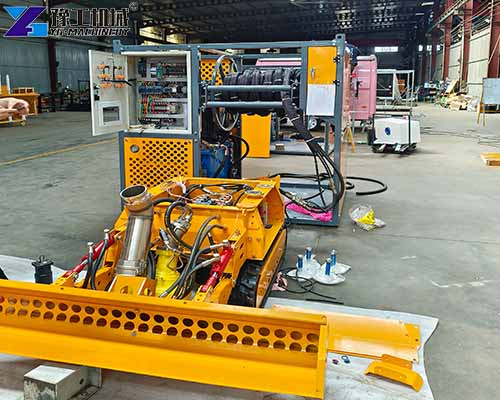
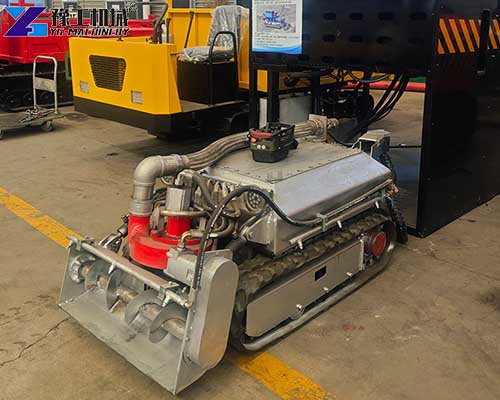
How Cutter Suction Dredger for Sale Depth Rating Is Confirmed
Depth rating is confirmed at inquiry, not chosen from a table. Our technical team needs three pieces of information to lock the rating for your selected model:
- Deepest working point. The maximum vertical depth from the water surface to the lowest point the machine will operate.
- Horizontal distance from the bank. The distance from the hydraulic station to the farthest working point, because hose length covers both vertical and horizontal distance.
- Water conditions. Turbidity, flow velocity, and the presence of metal structures affect wireless control reliability and may require cable control configuration.
With these three inputs, our engineers confirm whether the standard 50m hose bundle is sufficient or whether extended hose configuration is required. This is also the point where cutter river sand dredging machine depth rating is separated from generic marketing figures: the rating is tied to your site, not to a catalog page. During transport in deep water or over long distances, changes in pipeline pressure may lead to blockages.
What to Confirm with Our Technical Team Before Ordering
Before finalizing a cutter river sand dredging machine order, confirm the following with our team:
- Rated depth for your selected model and hose configuration. Not the catalog range, but the confirmed figure for your project.
- Hose length vs. total reach. Vertical depth plus horizontal distance, not vertical depth alone.
- Control method at depth. Whether wireless remote remains reliable at your turbidity and depth, or whether cable control is recommended.
- Reeling system load. How long a full deployment and recovery cycle takes at your hose length, and how that affects daily work cycles.
- Hydraulic station placement. Whether the station can be positioned close enough to the working point to stay within the confirmed hose length.
These five points are the difference between a depth rating that works on site and one that only looks good in a brochure.
Customer FAQ About Cutter River Sand Dredging Machine Depth Rating
A: Our equipment confirms a standard working depth range of 30 to 90 meters, depending on the model and hose configuration. The exact rating for your project is confirmed upon inquiry based on your deepest working point, horizontal distance, and water conditions.
A: Depth rating and configuration are linked. A deeper rating may require extended hose, different reeling load, or adjusted hydraulic settings. Our team confirms the configuration that matches your actual depth requirement, not the maximum catalog figure. For sand dredging machine price and configuration details, contact our team for a formal quotation.
A: The same model family can cover different depths, but the hose configuration and hydraulic settings differ. A machine configured for 30m is not automatically rated for 90m. Confirm the rating for your specific configuration before ordering.
A: Turbidity affects wireless control reliability more than hydraulic capacity. In high-turbidity water or water with metal structures, cable control may be recommended even at shallower depths. Our technical team reviews turbidity and structure conditions when confirming the control method.
A: Prepare three items: deepest vertical working point, horizontal distance from the bank to the farthest working point, and water conditions (turbidity, flow, metal structures). With these, our engineers confirm the depth rating and hose configuration for your selected model. For cutter suction dredger for sale options and depth matching, include your project conditions in the inquiry.
Factory Support & CTA
Our factory provides depth rating confirmation for every cutter suction dredger for sale inquiry. Send us your deepest working point, horizontal distance from the bank, and water conditions. Our engineers will confirm the rated depth for your selected model, recommend the hose configuration, and respond with a formal quotation within one business day. Every unit ships with English operation manuals, remote video technical guidance, and a continuous supply of consumable parts.