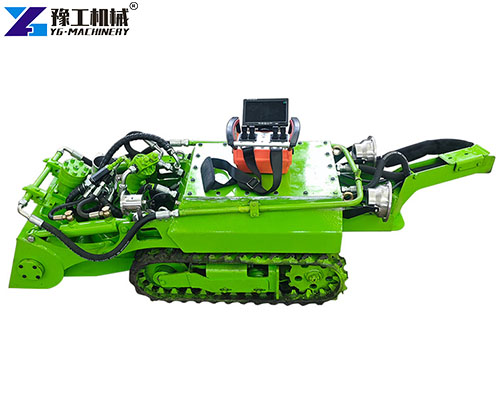
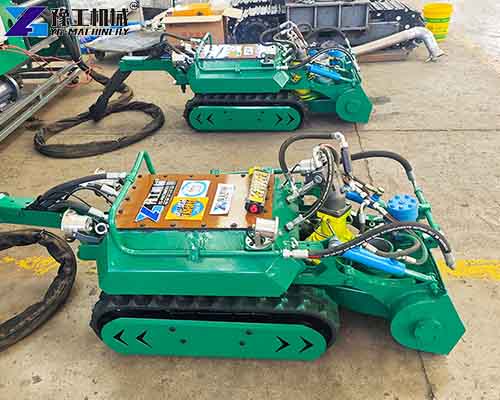
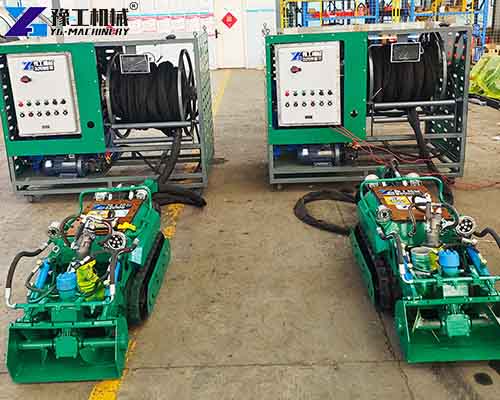
Industrial Tank Cleaning Robot selection is not about buying the largest machine available. It is about matching three specific site parameters: access opening size, sediment particle size, and daily sludge volume. If the machine cannot fit through the access hatch, cannot pass the local debris, or cannot keep up with the required cleaning cycle, the equipment will slow down your operation rather than improve it. This guide provides a step-by-step selection framework to match the right model to your tank or sump conditions. If you need a direct recommendation based on your facility layout, send us your tank dimensions and our engineers will confirm the correct configuration.
TL;DR: Tank cleaning selection depends on three things: hatch size (machine width), sediment type (particle size rating), and daily output (pump flow). Standard models handle soft sludge up to 15mm, while heavy-duty models handle gravel up to 60mm. Identify your worst-case sediment and hatch dimensions first, and the model choice becomes clear.
| Model | YG-500 | YG-600 | YG-700 | YG-800 | YG-900 | YG-1200 |
| Robot dimensions | 1500*500*650mm | 1500*600*650mm | 1600*700*650mm | 1600*850*700mm | 1650*960*750mm | 1900*1200*750mm |
| Dredging width | 500mm | 600mm | 700mm | 800mm | 900mm | 1200mm |
| Track travel speed | 3-15m/s | 3-15m/s | 3-15m/s | 3-15m/s | 3-15m/s | 3-15m/s |
| Robot weight | 320kg | 350kg | 380kg | 400kg | 420kg | 500kg |
| Pump output diameter | 3inch | 3inch | 4inch | 4inch | 4inch | 4inch |
| Pump flow rate(cubic meters/ hour) | 100 m³ | 100m³ | 200m³ | 200m³ | 200m³ | 200m³ |
| Hydraulic station dimensions(mm) | 2200*1200*1700 | 2200*1200*1700 | 2200*1200*1700 | 2200*1200*1700 | 2200*1200*1700 | 2120*1240*1200 |
| Main motor power | 22kw | 22kw | 30kw | 30kw | 30kw | 45kw |
| Hydraulic system pressure | 0-16Mpa | |||||
| Particle size | 15mm | 15mm | 38mm | 38mm | 38mm | 60mm |
| Reeling system speed | 0-10r/min | |||||
| Hydraulic hoses | 50m (Standard configuration) | |||||
| Control system | Wireless remote control | |||||
| Lighting system | Underwater LED lights *2 | |||||
Step 1: Check the Access Opening vs. Machine Width
The first constraint in any tank or sump project is physical access. A highly capable machine is useless if it cannot enter the tank.
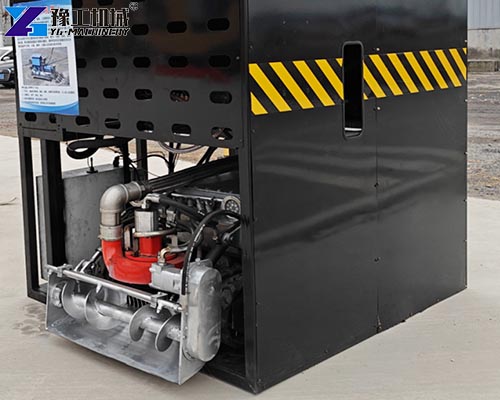
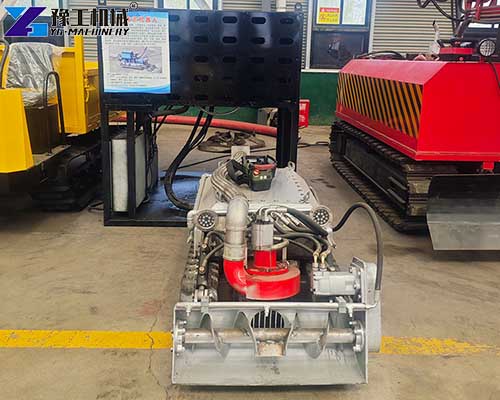
- Standard openings (DN600+): Most industrial tanks and municipal manholes provide access of at least 600 mm. Our standard models (like YG-500 to YG-700) are designed to pass through these standard openings without requiring major dismantling.
- Confined spaces: If your access is tighter, our compact models offer narrower chassis designs.
- Large open tanks: For large, open-top settling ponds or wide sumps, the physical size of the industrial tank cleaning robot is less critical, allowing you to prioritize power and output instead.
Before you look at pump specs, measure your narrowest point of entry. Our team can confirm the exact chassis dimensions of our models against your facility blueprints.
Step 2: Match Particle Size Rating to Your Sediment
The most common operational error is undersizing the pump’s particle handling capacity. If you pump compacted clay or construction debris through a machine rated only for fine sludge, you will spend more time unclogging the machine than cleaning the tank.
- Soft sludge and fine sand: A 15 mm particle rating is sufficient. Our standard models handle these materials efficiently.
- Compacted clay and small gravel: You must step up to a 38 mm particle rating.
- Heavy debris, stones, and construction waste: This requires our heavy-duty models with a 60 mm particle rating and reinforced cutting heads.
If you are unsure what size pump or outlet diameter fits your specific slurry, read our detailed breakdown on the [Internal Link: Pump Configuration Guide] before selecting a industrial tank cleaning robot.
Step 3: Calculate Daily Output vs. Pump Flow
Once the machine fits the tank and can pass the debris, you must match the pump flow to your production schedule. A sludge cleaning robot running at 100 m³/h requires twice the operating time of a 200 m³/h model to clear the same volume.
- Small, frequent cleanings: If your tank is cleaned monthly and downtime is short, a standard 100 m³/h model is highly efficient.
- Large volume, strict deadlines: For annual turnarounds where the tank must be back online quickly, a 200 m³/h model significantly cuts calendar days.
For facilities with long horizontal runs or deep vertical pits, the hose length may limit your working radius. Review our [Internal Link: Hose Length Limits] guide to ensure the power station can reach the farthest corner of your tank.
Common Selection Mistakes to Avoid
Three errors appear most frequently in procurement inquiries:
- Ignoring the access hatch. Buying a high-flow machine that does not fit through your manhole.
- Undersizing particle handling. Using a 15 mm rated sludge cleaning robot in a tank with rust scale or concrete debris.
- Forgetting hazardous area classifications. If your tank contains flammable residues, standard electric motors are prohibited. You must specify an explosion-proof configuration. Read our [Internal Link: Explosion-Proof Configuration] guide to understand the safety requirements.
When evaluating a cutter dredger proposal, ensure the supplier confirms these three parameters in writing, not just the pump flow.
Customer FAQ About Industrial Tank Cleaning Robot Selection
A: Measure the narrowest point of your access opening. Send us the dimensions, and our engineers will confirm which models can pass through. Our compact models are designed for standard manholes, while larger models are for open pits.
A: You should select the model based on your worst-case debris. A machine rated for 15 mm particles will clog if you introduce gravel. A model rated for 60 mm can handle both soft sludge and heavy stones. If you are uncertain, check our [Internal Link: Pump Configuration Guide].
A: The primary differences are motor power, pump outlet diameter, and the cutting head design. Heavy-duty cutter dredger models are built to crush and pass larger solids without stalling.
A: If your tank previously held oil, chemicals, or solvents, it may be classified as a hazardous zone. Standard equipment cannot enter safely. You must review our [Internal Link: Explosion-Proof Configuration] guide and confirm the zone classification with our technical team.
A: Provide your tank dimensions, access opening size, the type of sediment (sludge, sand, or gravel), and your desired cleaning frequency. Send these to our engineers for a free model matching.

Factory Support & CTA
Our factory provides direct selection of cutter dredger matching for every facility project. We do not rely on guesswork; we match the machine width, particle rating, and pump flow to your actual site conditions.
Send us your tank dimensions, access opening size, and sediment type. Our engineers will confirm the suitable model and respond with a technical configuration within one business day.