Crawler Dredging Robot ROI is not determined by the equipment invoice alone. It is determined by what manual dredging quietly consumes: production downtime, confined-space safety risk, and repeated cleaning cycles that never appear on a project budget sheet. YG Machinery project records show that robotic dredging has delivered more than 3x the efficiency of manual methods, reduced cleaning time by up to 60%, and lowered operating costs by approximately 40% across multiple sites. This article breaks down where manual dredging’s hidden costs accumulate, and what those percentages mean for your project. If you are comparing manual versus robotic dredging, send us your site conditions, and our engineers will assess the ROI for your specific case.
Why Manual Dredging Costs More Than The Invoice
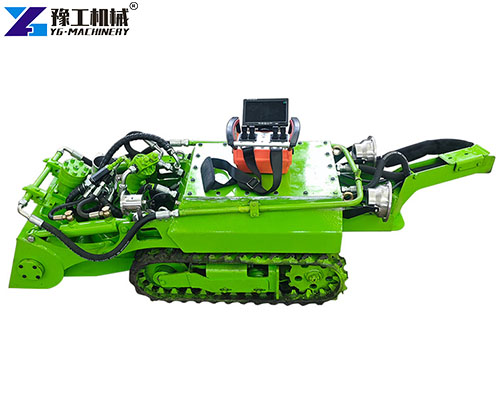
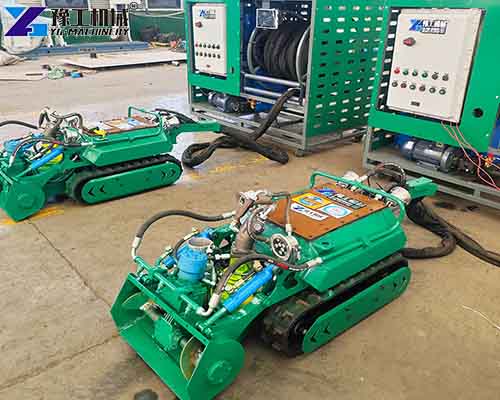
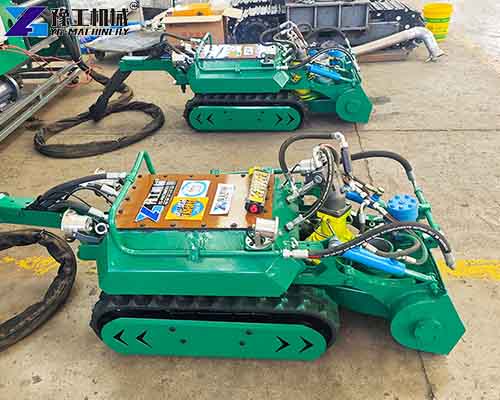
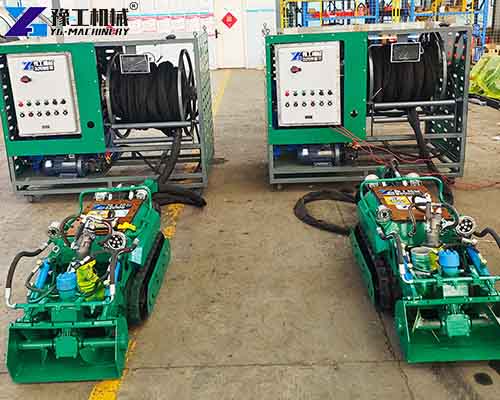
| Model | YG-500 | YG-600 | YG-700 | YG-800 | YG-900 | YG-1200 |
| Robot dimensions | 1500*500*650mm | 1500*600*650mm | 1600*700*650mm | 1600*850*700mm | 1650*960*750mm | 1900*1200*750mm |
| Dredging width | 500mm | 600mm | 700mm | 800mm | 900mm | 1200mm |
| Track travel speed | 3-15m/s | 3-15m/s | 3-15m/s | 3-15m/s | 3-15m/s | 3-15m/s |
| Robot weight | 320kg | 350kg | 380kg | 400kg | 420kg | 500kg |
| Pump output diameter | 3inch | 3inch | 4inch | 4inch | 4inch | 4inch |
| Pump flow rate(cubic meters/ hour) | 100 m³ | 100m³ | 200m³ | 200m³ | 200m³ | 200m³ |
| Hydraulic station dimensions(mm) | 2200*1200*1700 | 2200*1200*1700 | 2200*1200*1700 | 2200*1200*1700 | 2200*1200*1700 | 2120*1240*1200 |
| Main motor power | 22kw | 22kw | 30kw | 30kw | 30kw | 45kw |
| Hydraulic system pressure | 0-16Mpa | |||||
| Particle size | 15mm | 15mm | 38mm | 38mm | 38mm | 60mm |
| Reeling system speed | 0-10r/min | |||||
| Hydraulic hoses | 50m (Standard configuration) | |||||
| Control system | Wireless remote control | |||||
| Lighting system | Underwater LED lights *2 | |||||
Manual dredging appears cheaper on a per-day labor basis. The hidden costs surface elsewhere:
- Production downtime. Confined-space entry requires shutdown, ventilation, and standby safety crews. Every hour of shutdown is lost output that never appears on the cleaning invoice.
- Safety compliance overhead. Permits, gas monitoring, rescue standby, and insurance for confined-space entry add cost layers that robotic operation eliminates.
- Repeat cleaning cycles. Manual methods often miss compacted sediment, requiring a second pass within weeks. A sludge cleaning robot with a cutting head addresses the full profile in one deployment.
Industry documentation for robotic tank cleaning consistently identifies the same three drivers: reduced downtime, lower labor dependency, and elimination of confined-space entry. These are not equipment features; they are cost-structure changes.
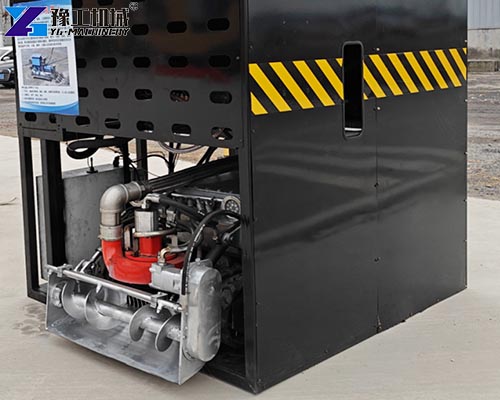
When handling flammable sludge in confined tanks, you will need a sludge dredging robot with an explosion-proof design for hazardous area compliance.
How Sludge Cleaning Robot Efficiency Changes The Cost Equation
YG Machinery project records show measurable efficiency gains across different sites:
- Spain, lake cleaning: “Dredging efficiency is more than three times faster than manual dredging.”
- Nigeria, urban channel: “Sludge removal time reduced by approximately 60% compared with manual dredging.”
- South Africa, municipal rivers and sewage tanks: Cleaning cycle shortened by 40%; labor requirements reduced from six operators to one.
These figures describe time and labor, not price. A 60% reduction in cleaning time means the same crew completes the project in less than half the calendar days. For a facility that must shut down production during cleaning, the value of those recovered days is often larger than the cleaning budget itself.
Industrial Tank Cleaning Robot Operating Cost: What The 40% Figure Actually Covers
YG project records cite “comprehensive construction cost reduction of 40%” for robotic dredging, driven by single-operator control and high-concentration sludge pumping. The 40% is not a discount on a machine price. It reflects the combined effect of:
- Labor reduction. One operator instead of a confined-space crew.
- Wastewater volume reduction. High-concentration pumping means less water transported and treated downstream.
- Downtime avoidance. Faster cycles mean less production loss during cleaning windows.
For industrial tank cleaning robot programs that run multiple times per year, the compounding effect of these three factors determines the five-year cost trajectory, not the purchase order.
What To Confirm Before Calculating Crawler Dredging Robot ROI
ROI depends on site-specific inputs. Before our engineers can assess your case, confirm the following:
- Current cleaning frequency. How many times per year does the tank or channel require cleaning?
- Average downtime per cleaning. How many production days are lost during each manual cycle?
- Sediment profile. Soft sludge, compacted clay, or mixed debris determines the required cutting head and pump configuration.
- Confined-space entry requirements. If manual crews require permits, gas monitoring, and rescue standby, those overheads disappear with robotic operation.
Send us these four inputs and our team will map the time and labor savings against your current cleaning schedule. For a sludge cleaning robot assessment, include the tank volume or channel length in your inquiry.
Customer FAQ About Crawler Dredging Robot ROI
A: They are based on YG Machinery project records from Spain, Nigeria, and South Africa. Actual results depend on sediment type, access conditions, and operating schedule. Send us your site conditions, and our engineers will assess the applicable range for your project.
A: Manual confined-space entry requires shutdown, ventilation, and safety standby before cleaning begins. Robotic operation removes the entry requirement, so cleaning can proceed without the same shutdown duration. YG project records show cleaning time reductions of 40–60% compared with manual methods.
A: It is a project-record figure reflecting labor, wastewater, and downtime reduction. The applicable percentage for your site depends on your current cost structure. Our team reviews your inputs and confirms the expected range before any proposal.
A: Cleaning frequency, average downtime per cycle, sediment type, and whether confined-space entry is currently required. For crawler dredging robot programs, include tank volume and annual cleaning count. Send these to our engineers for a site-specific assessment.
A: YG project records show labor reduced from six operators to one in a South African municipal case. The remaining operator controls the robot remotely. The reduction depends on the current crew structure and site layout.
Factory Support & CTA
Our factory provides ROI assessment of crawler dredging robot based on your current cleaning schedule and site conditions. Send us your cleaning frequency, downtime per cycle, sediment type, and tank or channel dimensions. Our engineers will map the time and labor savings against your current method and respond with a technical assessment within 1 business day.