Industrial maintenance teams often choose the wrong dry ice cleaning unit, leading to weak cleaning performance, frequent blockages, and unexpected operating costs. The market offers multiple models with different hopper capacities and air consumption rates, but buyers rarely understand how these specifications translate to real job-site performance. This guide breaks down the four critical selection factors, helping contractors match the right unit to their specific cleaning tasks, site conditions, and long-term maintenance budget. A properly selected dry ice washer reduces downtime and avoids costly equipment mismatches.
Core Technical Specifications Of Dry Ice Washer
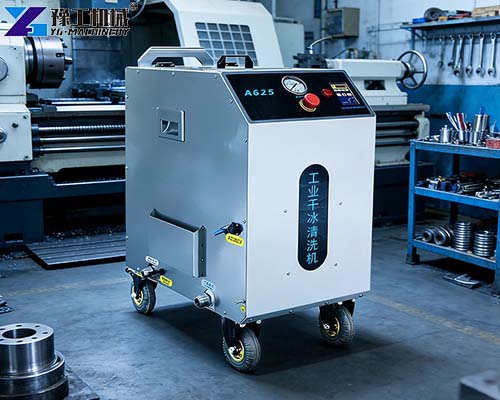
| Model | ICE-JET 3.0 | ICE-JET 6.0 | ICE-JET 15 | ICE-JET 40 |
| Dry Ice Capacity | 3KG | 6KG | 15KG | 40KG |
| Dry Ice Consumption | 20-50KG/H | 20-50KG/H | 30-100KG/H | 30-100KG/H |
| Supply Pressure | 3-10bar | 13-10bar | 3-10bar | 3-10bar |
| Air Consumption | 1-2m³/min | 1-3m³/min | 1-4m³/min | 1-5m³/min |
| Weight | 40KG | 50KG | 65KG | 80KG |
| Dimensions | 460x340x750mm | 460x350x850mm | 550x445x985mm | 650x550x1000mm |
| Total Power | <500W | <800W | <800W | <800W |
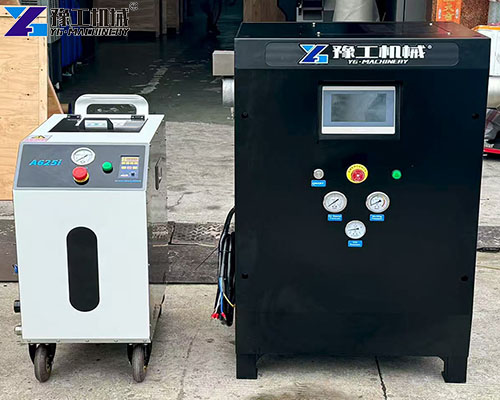
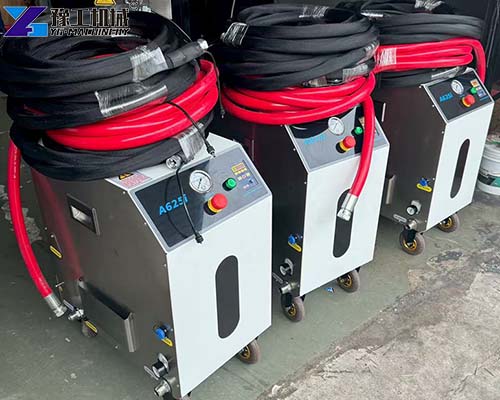
The four models cover a wide range of job demands. The lightweight ICE-JET 3.0 weighs only 40 kg and suits mobile on-site service, while the ICE-JET 40, at 80 kg with a 40 kg hopper, supports long production-line runs. Before evaluating any dry ice car cleaning machine, buyers should first confirm their air compressor capacity, since insufficient compressed air directly undermines cleaning efficiency regardless of which model is chosen.
Four Key Decision-Making Factors For Equipment Selection
Working Space Adaptation
Smaller workshops, garage bays, and narrow assembly lines favor compact units. The ICE-JET 3.0 and 6.0 models fit through standard doorways and can be wheeled into tight corners. Larger plants with dedicated cleaning stations can accommodate the ICE-JET 15 or 40 dry ice car cleaning machine without movement constraints. Choosing a unit that is too large for the available work area creates safety hazards and reduces operational flexibility. A cramped workspace also makes it harder for operators to hold the spray gun at the correct distance from the surface, which directly affects cleaning quality.
Contaminant and Material Matching
Different contaminants require different blasting parameters. Carbon deposits on engine components respond well to moderate pressure, while heavy grease buildup on molds may demand higher dry ice feed rates. The micro-computer control on each model allows stepless adjustment of both pressure and pellet flow. A unit with too small a hopper for continuous mold cleaning will require frequent refilling, interrupting workflow and lowering daily output. Buyers should also note that extremely thin or brittle surfaces require low-pressure testing first, as excessive pressure can damage sensitive workpieces.
Site Mobility and Terrain Conditions
Mobile service operators who travel between customer sites need the lighter 40 kg or 50 kg units. For in-plant work where the machine stays on the shop floor, the heavier models offer larger hopper capacity and longer uninterrupted operation. Brake-equipped casters on all models allow safe movement on flat factory floors. Outdoor job sites with uneven or rough ground require careful assessment, since the wheeled chassis of the dry ice washer is designed for smooth surfaces rather than undeveloped terrain. Operators moving between buildings should also consider whether the unit can fit in a standard service vehicle.
Long-Term Maintenance Cost
Wearing parts such as nozzles, seals, and hoses are consumables not covered under the main warranty. Buyers should confirm local availability of these parts before purchase. Units with modular design simplify replacement and reduce downtime. The energy-efficient control systems on all models of dry ice washer keep power consumption below 800 W, but the real operating cost comes from dry ice consumption, which ranges from 20 to 100 kg per hour depending on the model and setting. Sourcing affordable 3 mm pellet dry ice locally is therefore essential for controlling ongoing expenses.
Complementary Usage With Matching Auxiliary Equipment
Every unit requires a properly sized external air compressor. The recommended compressor output ranges from 1 to 5 cubic meters per minute depending on the selected model. A compressor with insufficient flow will cause unstable blasting pressure and poor cleaning results. Operators must also procure standard 3 mm dry ice pellets from local suppliers, since the machine does not produce dry ice on its own. Safety gear including face shields, gloves, and protective clothing should be included in the procurement budget. When evaluating a dry ice sand blaster for sale, buyers should verify that all these auxiliary items are available before ordering the main unit.
Frequently Asked Questions About Equipment Model Matching

A: The ICE-JET 3.0 or 6.0 is sufficient for intermittent engine carbon cleaning and light parts degreasing.
A: Yes, by adjusting pressure and pellet feed rate, the same unit can clean industrial molds and perform automotive detailing.
A: Blasting pressure drops, dry ice pellets do not accelerate properly, and cleaning efficiency declines significantly.
A: Replacement frequency depends on daily usage hours. Inspect these parts regularly and replace them when wear affects spray pattern or sealing performance.
Closing Summary
Selecting the right dry ice sand blaster for sale means matching hopper capacity, air consumption, and weight to actual job demands. Over-buying leads to wasted investment, while under-buying causes production bottlenecks. Evaluate workspace size, contaminant type, mobility needs, and spare-parts availability before making a decision. Confirm that local dry ice supply and compressor capacity meet the chosen model’s requirements, and plan for regular replacement of wearing parts.